
Macro-Friendly Restaurants: 5 Easy Orders and How to Log Them
Eat out and still hit your macros: protein-first orders, sauces on the side, a buffer for hidden fats, and five chain orders you can reuse.
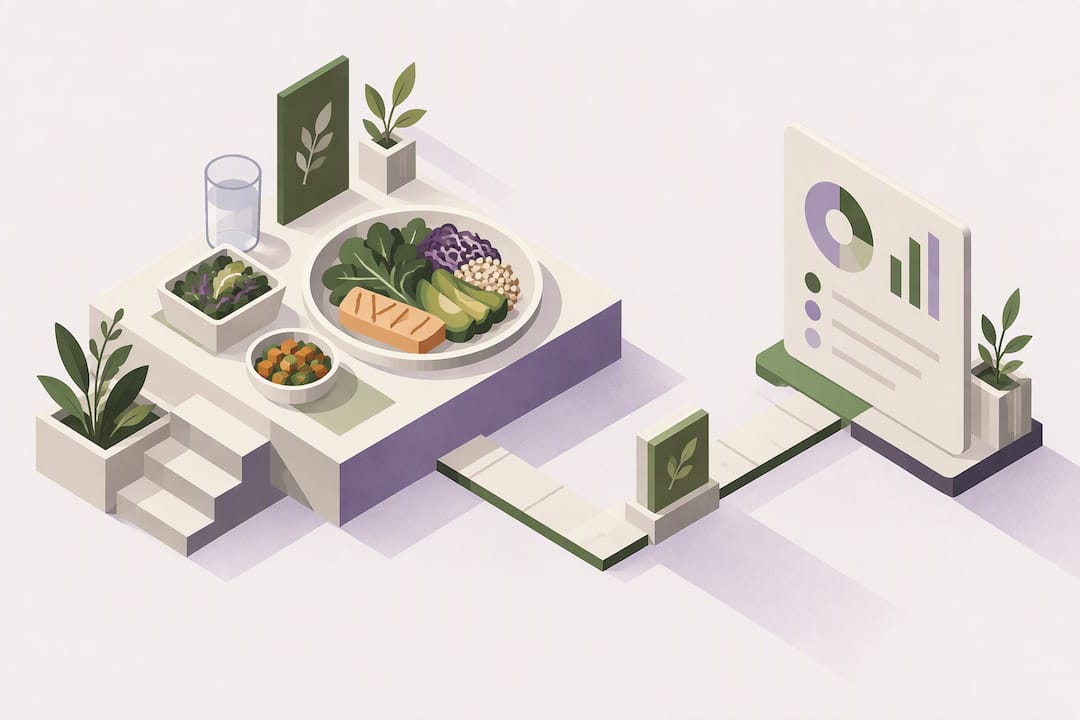
Yes, you can eat at restaurants and still hit your macros by prioritizing protein, controlling portions, and using a few reliable swaps and logging habits. Registered dietitian guidance points to front-loading protein and building in a buffer for hidden calories, and tools like Cibo paired with USDA FoodData Central make it simple to log what you eat. Below, we walk through the tactics, the chain-specific examples, and the estimation rules that make restaurant meals trackable instead of guesswork.
TL;DR:
- Chain restaurants like Chipotle publish detailed nutrition data, making it easier to build accurate, macro-friendly meals and avoid estimation errors.
- Building meals around visible, lean proteins and asking for sauces on the side helps control fat and calorie intake across various restaurant types.
- Adding a 20 to 30% calorie buffer to estimates accounts for hidden fats and staff portioning, especially in high-variance dishes like fried or sauced items.
- Pre-logging meals before dining, using visual portion guides, or snap photos with an AI tracker significantly speeds up the logging process.
- Prioritizing high-protein, minimally processed options earlier in the day allows flexibility for restaurant meals with higher carbs or fats without exceeding goals.
Cibo helps you track calories, protein, carbs and fat from meals logged by photo, voice, text, barcode or manual entry.
Get the AppWhat makes a meal macro-friendly in the first place
A macro-friendly meal is one where you can see and name most of what’s in front of you. Protein is the anchor, fats and carbs are adjustable rather than baked into a sauce you can’t identify, and nothing on the plate is a mystery. That visibility is what lets you estimate with any confidence.
A few ordering habits make almost any menu workable:
- Order protein first, then build the rest of the plate around it so you don’t end up overcompensating later.
- Ask for sauces and dressings on the side so you control the amount instead of eating whatever the kitchen pours.
- Choose grilled, roasted, or steamed over fried whenever it’s offered, since the cooking method changes the fat count more than almost anything else on the plate.
- Swap starchy sides for vegetables when you want to keep carbs predictable without cutting volume.
Menu language matters too. Words like “crispy,” “loaded,” “creamy,” and “breaded” usually signal hidden oil, sugar, or batter that won’t show up on a nutrition label if one even exists. When you’re not sure how something is prepared, ask. Most servers know whether the chicken is grilled or fried, and whether the “house dressing” is a vinaigrette or something built on mayonnaise.
None of this requires treating restaurant meals as a problem to avoid. Registered dietitian guidance suggests that a moderate number of restaurant meals per week are manageable long-term when you’re using informed modifications rather than skipping the meal out entirely or trying to order with zero flexibility. Sustainability, not perfection, is the actual goal.
Estimating portions and handling nutrition-data uncertainty
Restaurants rarely weigh your chicken breast or measure your rice to the gram, which means even a published nutrition value is an estimate of an estimate. The fix isn’t more precision, it’s a system that absorbs the uncertainty.
Visual anchors work well when you don’t have a scale on you:
- A palm of meat, fish, or poultry is roughly one protein serving.
- A cupped fist of rice, pasta, or potatoes approximates one carb serving.
- A thumb of oil, butter, or nut-based sauce stands in for one fat serving.
- Two open hands of leafy greens or non-starchy vegetables is a generous veggie portion.
Restaurant meals can carry more calories than their published values suggest, largely from cooking fats added during prep that never make it onto a nutrition label, and many dietitians suggest adding a 20 to 30% buffer. Building that buffer into your estimate, rather than trusting a chain’s listed number at face value, keeps your daily log closer to reality on high-variance dishes like pasta, stir-fry, or anything pan-seared.
Chain nutrition calculators are a real exception. Chipotle, for instance, publishes component-level nutrition data for every item on its line, which means you can build an accurate estimate before you even walk in. The catch is that manual portioning by staff can still cause some variation above or below the official number, so published data is a strong starting point, not a guarantee.
When a restaurant gives you no data at all, the most reliable approach is component logging: break the dish into protein, base, and sauce, and log each piece separately rather than searching for one entry that matches the whole plate. A chicken burrito bowl becomes grilled chicken, white rice, black beans, salsa, and cheese, logged individually. This mirrors how the meal was actually assembled and produces a far more accurate total than guessing at a single “burrito bowl” database entry, which may not resemble what’s on your plate at all.
Ordering tactics by restaurant type
Different restaurant formats call for different strategies. Here’s how to adapt the same core rules across the places you’re likely to eat.
- Fast food: Favor grilled proteins and assembled bowls over anything breaded or sandwiched in a bun. Skip the bun when you can, and pre-log from the chain’s published nutrition page before you order so you’re choosing from known values instead of estimating blind.
- Bowls and salad shops: Build around a high-protein base like grilled chicken, salmon, or tofu, ask for dressing on the side, and add volume with extra vegetables or a second protein scoop rather than extra starch.
- Casual dining: Look for a “lighter fare” or lunch-portion section if the menu has one, and don’t hesitate to ask for a swap, like steamed broccoli instead of fries or a sauce served in a ramekin rather than poured over the dish.
- Mexican restaurants: Fajitas or tacos with corn tortillas give you a controllable carb count. Order the fillings separately when you can, and treat sour cream, cheese, and guacamole as fats you add deliberately rather than toppings that show up automatically.
- Asian restaurants: Sashimi, steamed dumplings, or stir-fry with sauce on the side keep carbs and fats visible. Fried rice and heavily sauced noodle dishes are the two biggest places calories hide.
- Italian restaurants: Choose a protein-focused plate like chicken piccata or grilled branzino over a pasta-heavy entrée, and box half the dish before you start eating if the portion looks oversized, since Italian restaurant servings run large almost everywhere.
- Steakhouses: Pick a leaner cut like a filet or sirloin over a ribeye, pair it with a vegetable side instead of loaded mashed potatoes, and watch the portion size since steakhouse cuts frequently run 8 to 12 ounces before cooking loss.
The pattern across all of these is the same: identify the protein, make the carb and fat sides a choice rather than a default, and ask for modifications without hesitation. Servers field these requests constantly.
Chain-specific examples and ready-to-log orders
Having a go-to order at the chains you visit most removes the guesswork entirely. These builds are a starting point you can copy or adjust.
- Chipotle: Order a bowl instead of a burrito to cut roughly 320 calories from the tortilla alone, swap rice for a greens base, double the chicken for extra protein, and ask for dressing or sour cream on the side. Chipotle’s grilled chicken delivers a strong protein-to-calorie ratio, which makes it an efficient anchor for a macro-focused bowl.
- Chick-fil-A: Grilled nuggets or a grilled chicken sandwich without the bun keep the meal lean, and asking for sauce on the side rather than drizzled avoids an unplanned spike in fat and sugar. A grilled chicken salad with dressing on the side is a reliable lower-calorie option when you want more volume.
- Sweetgreen: A roasted chicken or salmon bowl built on a whole-food base like greens, farro, or roasted vegetables keeps the meal balanced, and skipping the heavier dressings in favor of a vinaigrette or hot sauce keeps added fat predictable.
- Panera: Broth-based soups and half-sandwich combos let you control portion size more easily than a full sandwich with chips, and a lean protein like turkey breast over something like a tuna salad avoids extra mayonnaise-based fat.
- Subway: A six-inch sub built with lean turkey or chicken and piled with vegetables, with dressing or sauce on the side, is one of the more straightforward fast-food builds to log accurately.
A handful of order scripts work at almost any counter or table:
- “Dressing on the side, please.”
- “Can I swap the fries for steamed vegetables?”
- “Grilled instead of fried, if that’s an option.”
Guides covering macro-friendly menu items from popular chain restaurants often list these exact swaps, which makes them a useful reference when you’re trying a new chain for the first time. Once you’ve logged a build once, whether through a chain’s own calculator or a component log in your tracker, you can reuse it every time you order the same thing, which is where most of the long-term time savings come from.
How to plan your day around one restaurant meal
If you know you’re eating out for dinner, the easiest adjustment happens earlier in the day, not at the table. Front-loading protein at breakfast and lunch gives you room to handle a restaurant dinner that runs higher in fat or carbs than a home-cooked meal would, without needing to hit a specific gram count once you sit down.
Say your dinner lands around 700 to 900 calories with a mix of carbs and fat you can’t fully control, such as a shared appetizer or a sauce you didn’t make yourself. You can offset that by keeping breakfast and lunch leaner on fat, prioritizing lean protein like eggs, chicken, or Greek yogurt, and saving your starchier carbs for after the workout if you’re training that day.
A few habits make this easier to repeat:
- Shift planned carbs or fats earlier in the day if you know dinner will run heavier than usual.
- Allow one deliberate splurge item, like a shared dessert or a glass of wine, instead of treating the whole meal as off-limits.
- Pre-log your restaurant meal earlier in the day when you know the menu, so you’re not estimating under time pressure at the table.
Pro Tip: If you’re not sure what you’ll order, pre-log a close estimate from the restaurant’s menu before you leave the house. You can always adjust it once your plate arrives.
Strict daily adherence isn’t the point. A day that runs slightly over on fat because of a restaurant dinner is still a win if the rest of your week stays consistent.
How an AI macro tracker simplifies restaurant logging
Logging a restaurant meal is usually the most annoying part of tracking macros, mostly because menus rarely match database entries exactly. This is where having a flexible logging method matters more than having a perfect one.
Cibo lets you log a meal the way that’s fastest in the moment: a photo of your plate, a quick voice note describing what you ordered, a text description, a barcode scan for packaged items, or manual entry when you already know the breakdown. Estimates for whole foods are based on USDA FoodData Central values and packaged foods on Open Food Facts, and your results roll into a daily balance against your own goal rather than a generic target.
A typical restaurant workflow looks like this:
- Photo-log the plate as soon as it arrives, before the components get mixed together.
- Break a composed dish into parts (protein, base, sauce) if the photo estimate looks off or the meal is unusually mixed.
- Adjust for sauce and apply a buffer on anything fried or heavily dressed, using the 20 to 30% range covered earlier.
- Use Together mode if you’re tracking alongside a partner or friend and want to stay accountable to each other across restaurant meals, not just home-cooked ones.
None of this replaces professional guidance. If you’re managing a medical condition or have specific nutritional needs, a doctor or registered dietitian is the right person to tailor recommendations to your situation.
Eating out doesn’t have to be the enemy of consistency
A common mistake in how people approach restaurant meals is treating them as a threat to be minimized instead of a normal part of eating that deserves the same light planning as anything else. Perfection isn’t the standard that makes tracking work over months and years. A habit you’ll actually repeat is.
Pick one small anchor and build from there. Photo-log your plate the moment it arrives, before the sides get mixed together and you lose track of what was actually on it. Or pre-log an estimate before you leave the house so you’re not making decisions under pressure while a server waits for your order. Either habit, repeated consistently, will do more for your macros over a year than any single “perfect” meal ever could.
Small, repeatable systems beat occasional heroics. That’s true for restaurant meals and pretty much everything else in nutrition.
Make restaurant logging faster with Cibo
Everything in this guide works better when logging takes seconds instead of minutes. With Cibo, you can snap a photo of your plate, describe it by voice, or enter it manually, and get calorie and macro estimates built on USDA data without hunting through a database for a matching entry.
Your results feed into a daily balance against your own goal, and Together mode lets you stay accountable alongside a partner or friend when you’re both trying to eat out without losing track. After a 7-day trial, a subscription gives you more AI logs than the basic tier’s monthly allowance. If you eat out more than once a week, that’s usually where the time savings add up fastest. See how Cibo fits how often you dine out.
FAQ
Which restaurant has the best macros for tracking?
There’s no single best option since it depends on your goals, but assembly-line chains like Chipotle tend to be the easiest to track because they publish component-level nutrition data and let you control every ingredient. That transparency makes portion and macro estimation far more reliable than at restaurants with fixed, pre-plated entrées.
What are some good macro-friendly fast food restaurants?
Chipotle, Chick-fil-A, Sweetgreen, Panera, and Subway all offer customizable, protein-forward options that are straightforward to estimate. Choosing grilled proteins, requesting sauces on the side, and swapping starchy sides for vegetables works across all five.
What is the most macro-friendly food to order?
Lean, visibly prepared proteins like grilled chicken, fish, or tofu are generally the most macro-friendly choices because they’re high in protein relative to calories and don’t hide fat the way breaded or heavily sauced dishes do. Pairing them with vegetables and a controlled carb portion rounds out a meal that’s easy to log accurately.
Is Chick-fil-A macro-friendly?
Chick-fil-A can fit into a macro-tracking plan when you choose grilled options like the grilled nuggets or a bunless grilled chicken sandwich and request sauces on the side rather than mixed in. Fried items and sweet sauces are where the macros shift the most, so sticking to grilled preparations keeps the meal easier to estimate.
How much buffer should I add when logging a restaurant meal?
Dietitian guidance suggests adding a 20 to 30% calorie buffer to your estimate for high-variance restaurant dishes, since hidden cooking fats and staff portioning rarely show up in a published nutrition value. This buffer matters most for fried, pan-seared, or heavily sauced meals rather than simple grilled or steamed dishes.
Sources
- Eating Healthy at Restaurants: Tips for Dining Out Without Derailing Your Goals — Emily Field, RD
- Chipotle Nutrition Calculator (official)
- Macro-Friendly Menu Items from Popular Chain Restaurants — Working Against Gravity
Recommended
Not medical advice. Cibo is a nutrition-awareness tool, not a medical device. Read the full disclaimer.
Build healthier habits with Cibo
Nutrition made simpler for everyday life.


